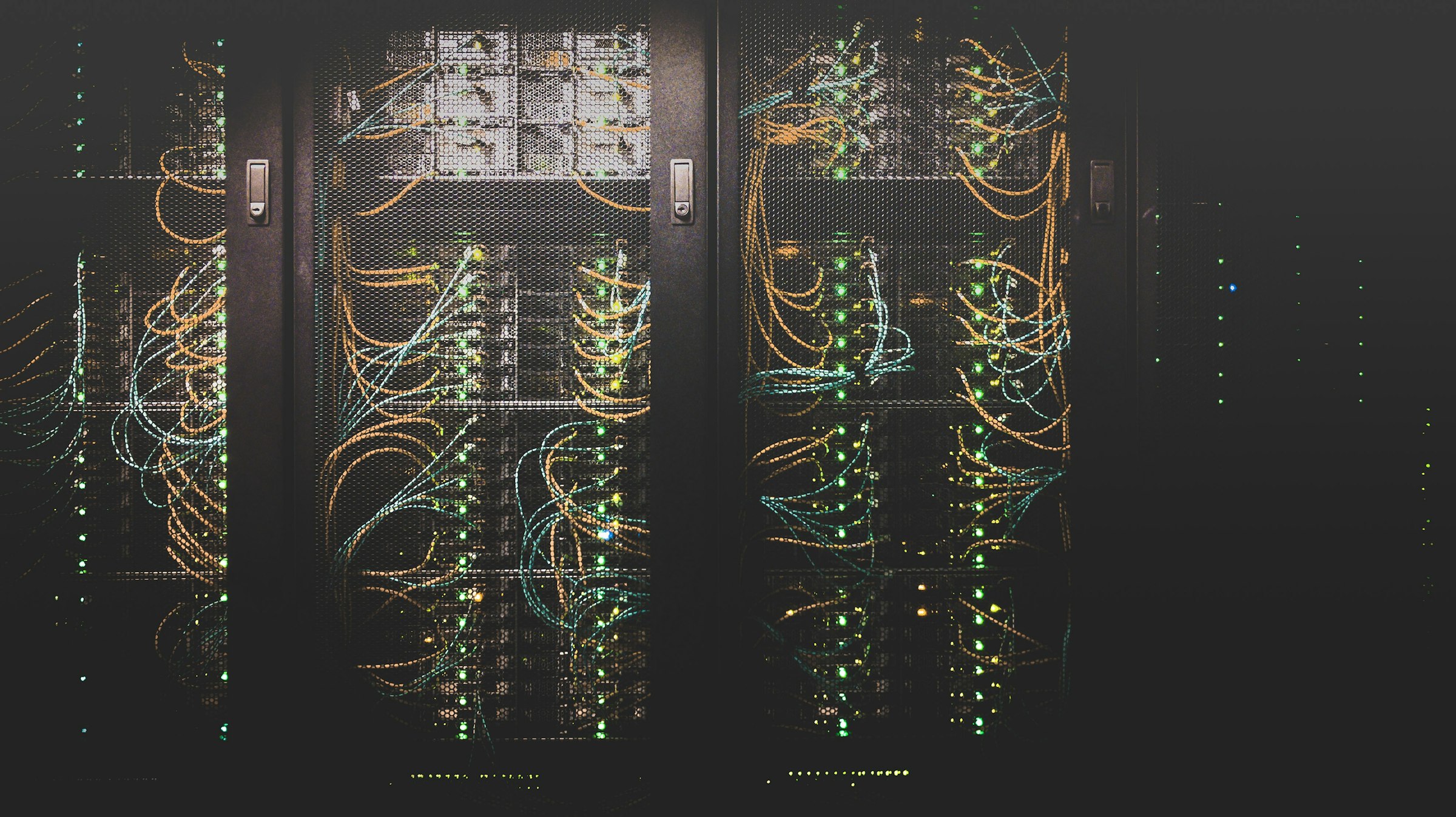
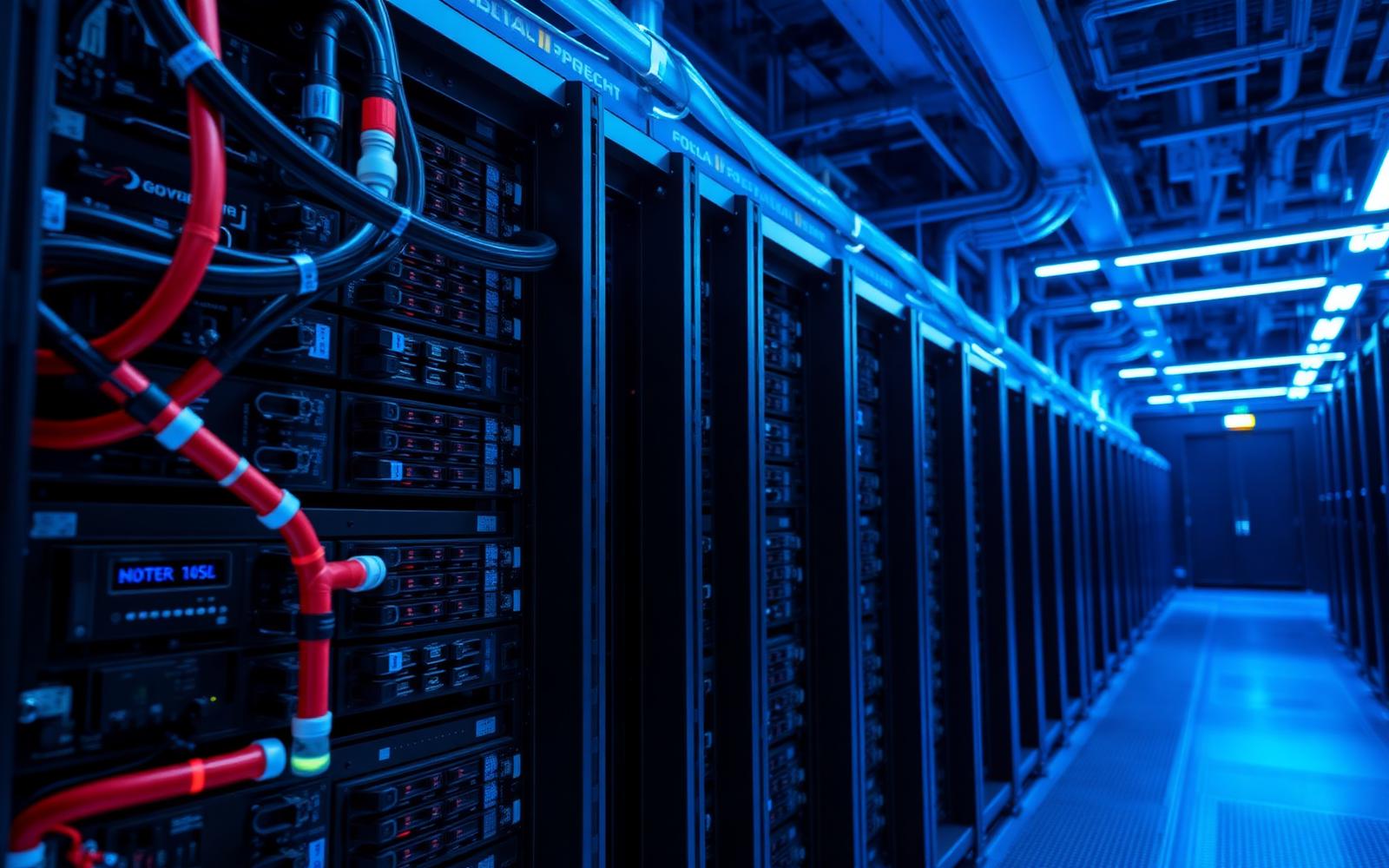
AI and high-density compute are changing the physical demands placed on data center environments. As operators deploy denser racks, advanced GPUs, higher power densities, and more complex cooling architectures, the surrounding facility environment becomes more important. Power, cooling, airflow, maintenance access, contamination control, and documentation all become part of the reliability equation.
The scale of this shift is significant. The International Energy Agency projects that global electricity generation needed to supply data centers will rise from approximately 460 TWh in 2024 to more than 1,000 TWh by 2030. JLL's 2026 data center outlook points to nearly 100 GW of new capacity expected between 2026 and 2030, a potential doubling of global capacity, and up to $3 trillion of investment required by 2030. These are not incremental changes. They represent an infrastructure supercycle.
AI is also changing facility design. Higher-density rack environments, liquid cooling requirements, more complex thermal management, and tighter delivery timelines are pushing operators to rethink what disciplined facility maintenance means. A process that was acceptable for a lower-density enterprise environment may not be sufficient for an AI-oriented data hall.
For facility service providers, this creates a higher bar. In lower-sensitivity environments, cleaning can often be managed around appearance, frequency, and labor coverage. In an AI-oriented data center, the service model must account for restricted access, live operations, equipment sensitivity, airflow pathways, contamination control, security procedures, maintenance windows, and documentation requirements.
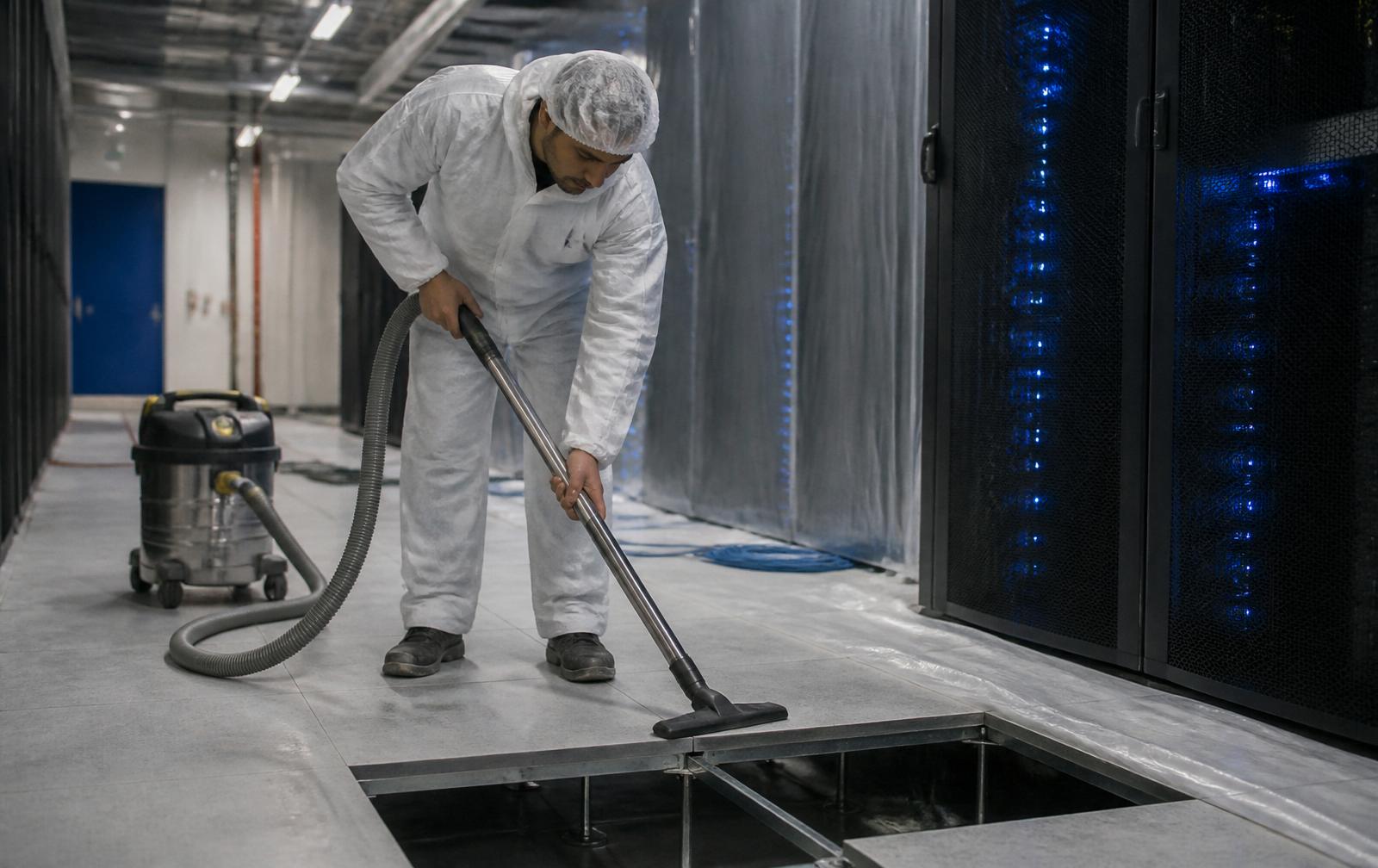
Particulate control becomes more relevant as airflow volumes and thermal demands increase. Dust and debris do not need to trigger an immediate failure to create value leakage. If contamination accumulates in underfloor spaces, around equipment, in staging areas, near cooling infrastructure, or along airflow pathways, it can add friction to systems that are already operating under more demanding conditions.
The standards environment is also becoming more important. ISO 14644-1 provides a recognized framework for air cleanliness classification. ASHRAE TC 9.9 guidance addresses environmental conditions for datacom equipment and the need to monitor and control particulate and gaseous contamination. IBM guidance identifies ISO 14644-1 Class 8 as a cleanliness requirement for data center particulate contamination. As compute environments become denser, operators are likely to place greater weight on measurable, documented environmental controls.
AI infrastructure also increases the value of service verification. Operators need to know not only that cleaning occurred, but where it occurred, when it occurred, what areas were completed, what exceptions were identified, and whether recurring issues are emerging. This moves the service model from task-based cleaning toward visibility-based facility support.
The procurement lens should evolve accordingly. Labor availability remains necessary, but it is no longer sufficient. Facility teams should evaluate whether a provider can operate safely in live environments, coordinate with site personnel, follow controlled methods, document outcomes, and support recurring governance.
This is where Capitol Core's model is intentionally positioned. The company combines contamination-controlled execution with service documentation, KPI tracking, and performance reporting. That allows facility partners to manage cleaning and contamination-control activity as part of a broader operational readiness program.
As compute density rises, physical environment management must become more structured. Cleaning should be coordinated, documented, and measured. The most valuable service partners will not simply provide labor. They will provide controlled execution and operational visibility.